uses the blended family as a horror framework. The family is grieving the loss of the matriarch, and the mother (Toni Collette) is increasingly paranoid. The stepfamily is absent—replaced by the grandmother’s "spiritual" friends who invade the home. It’s a metaphor for how blending can feel like possession. When you let an outsider in, you don't know whose memories you are displacing.
The portrayal of blended families in modern cinema has evolved from the "evil stepparent" trope of the past into complex stories about , chosen kinship, and the messiness of co-parenting . This shift reflects a more authentic look at how modern households navigate old traditions while creating new shared experiences. The Story: "The Sunday Exchange" Spirited Away pure taboo 2 stepbrothers dp their stepmom top
Here is how modern cinema has deconstructed and rebuilt the grammar of the blended family across three distinct dimensions: uses the blended family as a horror framework
: Early cinema often relied on extreme archetypes—the "evil stepparent" or sanitized "Brady Bunch" ideals. Modern narratives like Modern Family It’s a metaphor for how blending can feel like possession
The portrayal of blended families in modern cinema has undergone a significant evolution, shifting from the "wicked stepmother" tropes of fairy tales to nuanced explorations of the complex legal and emotional bonds that define contemporary domestic life. Modern filmmakers are increasingly using the "reconstituted family" model to reflect broader societal shifts in culture and values, emphasizing love and cooperation over traditional biological definitions. The Evolution from Trope to Realism
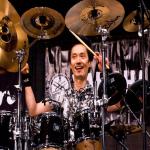 Akira Jimbo
 Akira Onozuka
 CASIOPEA
 DEZOLVE
 DIMENSION
 Hiroshi Kubota
 Hirotaka Izumi
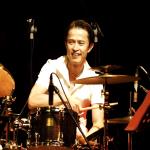 Hiroyuki Noritake
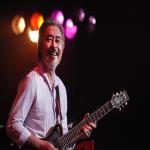 Issei Noro
 JIMSAKU
 Jun Kajiwara
 Kaori Kobayashi
 Kazuki Katsuta
 Keiji Matsumoto
 Masahiro Andoh
 Masato Honda
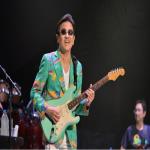 Masayoshi Takanaka
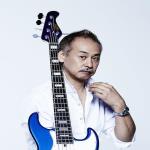 Mitsuru Sutoh
 Naoya Matsuoka
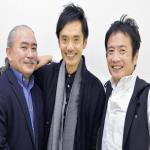 PYRAMID
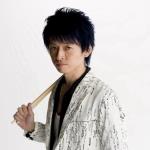 Satoshi Bandoh
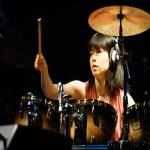 Senri Kawaguchi
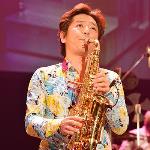 Takahiro Miyazaki
 Takashi Masuzaki
 Takeshi Itoh
 Tetsuo Sakurai
 Tomohito Aoki
 Toshiki Kadomatsu
 TRIX
TRIX T-SQUARE
 Various Artists
 Yoshihiro Naruse
 Yoshitaka Mihara
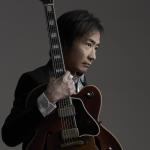 Yuji Toriyama
 Yuya Komoguchi